UX DESIGN LEADER · 11+ YEARS · GLOBAL EXPERIENCE

APPROACH
How I think
about design.
01
Research drives strategy
Every significant design call comes from going out and listening first. Design without research is just decoration.
02
Transparency builds trust
Being honest with users outperforms persuasion. The data confirms it every time.
03
Systems thinking at scale
The default is always to build something others can use, not just to solve one problem once.
04
Inclusion is not optional
If a design only works for the median user, it’s only half-designed.
SELECTED WORK

Designing for Bharat
Voice-first and social-first cohorts of new-to-ecommerce users, each needing its own design language.
VIEW PROJECT →
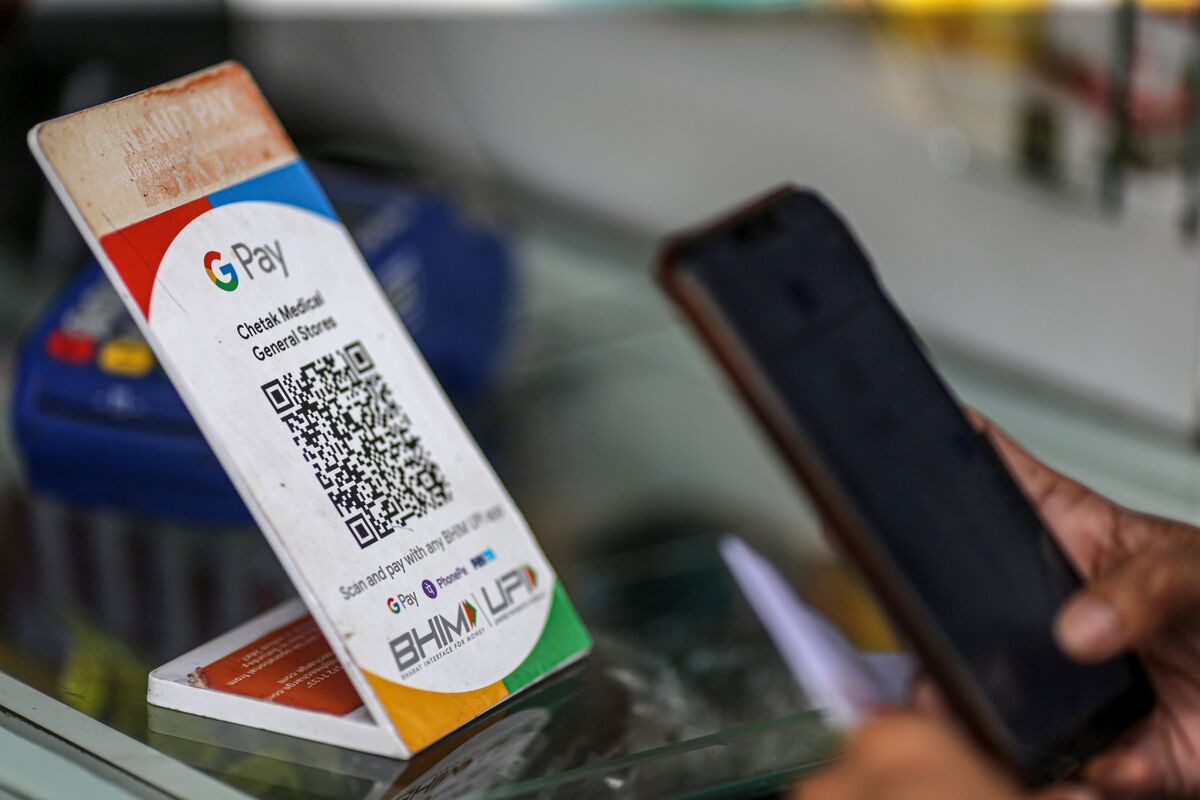
Recurring Payments + P2M
Making GPay simpler for bills, recharges, and subscriptions and connecting consumers and merchants through meaningful payment journeys.
VIEW PROJECT →

ANTIdiaRy
A participatory digital experience exploring identity, rooms, rituals, and user-generated storytelling.
VIEW PROJECT →
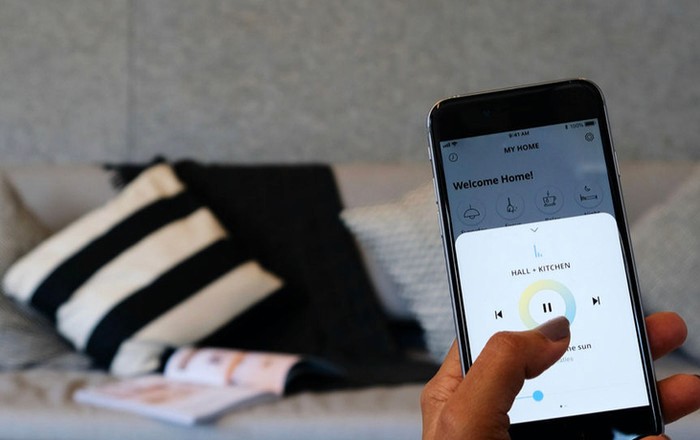
Home Smart
Democratizing the smart home to be inclusive of the different archetypes of people and enabling the experience to work well across devices.
VIEW PROJECT →
DESIGN LEADERSHIP
Building the team
behind the work.
Growing a design org, building structure that lets enables people to grow and excellence scale.
Rituals, reviews, and shared spaces for designers to bring ideas, get feedback and let creativity flow.
Repeated problems deserve systemic solutions. I default to building frameworks that outlast any single project.
INCLUSIVE DESIGN
Inclusive design isn’t a feature or a checkbox. It’s a fundamental orientation toward who we’re designing for and who we might be leaving out. It’s personal for me — I’m a proud advocate for people with Down Syndrome and any type of learning disability.
A product that works for a young urban professional but breaks for someone in a rural village or someone with a learning disability isn’t good design — it’s partial design.